Cryptocurrencies: Is the Super App Coming?
Written by Gérard Al-Fil, Dubai
When Yoshitaka Kitao speaks, the Web3 community listens attentively. The 74-year-old chairman of the Japanese investment group SBI Holdings in Tokyo talks about cryptocurrencies and stablecoins like Bitcoin and Tether as if he were a 25-year-old startup founder.
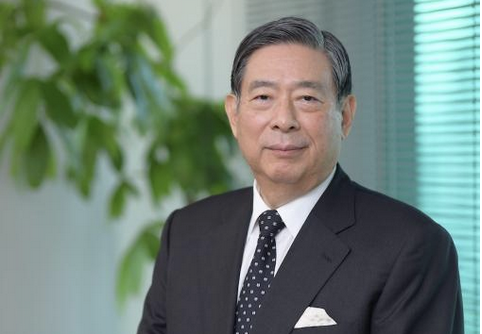
Yoshitaka Kitao. (Image: provided)
At the WebX Forum 2025, where the global crypto community gathered in Osaka and Tokyo, the former CFO of Softbank didn’t mince words. Trading and paying with crypto is still too complicated, he said. Too many apps clutter the smartphones and laptops of Web3 users. «That’s why we’ll continue acquiring in the Web3 space. SBI is starting a strategic partnership with Circle, and we hold a 9 percent stake in Ripple Labs. We are planning the super app.» Ripple or XRP is a digital cryptocurrency developed in 2012 as part of the payment network from Ripple Labs, USA. Circle manages the stablecoin USDC, which is pegged to the US dollar. This gives USDC the advantages of fast, blockchain-based cryptocurrencies combined with the stability of the world’s reserve currency.
Simplicity Needed
A super app as a mobile program would enable retail customers to buy, trade, and pay with any type of crypto funds worldwide. The ability to pay with crypto remains the biggest hurdle in making it truly mainstream for the average consumer. The super app will also include news content. To that end, Kitao (also president and CEO of SBI) announced the acquisition of a majority stake in the Web3 news app «CoinPost» by the end of October. The business patriarch praised financial hubs like Dubai and Singapore for their pro-crypto policies but was critical of Hong Kong. The financial metropolis is «rapidly falling behind» other centers, said the Japanese executive.
Indeed, the patchwork of different apps is holding back growth in the Web3 space. A user in Dubai, for example, who receives a Bitcoin payment through the Binance app, cannot convert that Bitcoin into local currency (Dirham) and send the funds to his bank account using the app alone. They must transfer the virtual funds to another app with a banking license in the Gulf region, such as the digital wallet from Fasset.
Consensus Among Web3 Leaders
Sergej Kunz, co-founder of the cryptocurrency exchange 1inch in Dubai, agrees with the move from niche to mainstream. «Crypto super apps are not just an option, they are a necessity. These platforms will play a central role in driving the mass adoption of Web3 by onboarding less crypto-savvy users through more user-friendly and seamless experiences,» Kunz told finews.com.
«In return, super apps will also help build user loyalty by focusing on community and improved user experience (UX),» Kunz added.
According to Henry Zhang, founder and CEO of DigiFT in Singapore, the decentralized financial world (DeFi) also exposes the age-old weaknesses of centralized finance (TradFi). Zhang: «Stock markets are very centralized. If you buy Nvidia on NASDAQ, you can only sell Nvidia on NASDAQ. The same applies in Tokyo, Hong Kong, or Singapore.» Decentralization can only change if technology improves and tokenization is advanced in the Web2 world, Zhang explained to Finews. Tokenized stocks are blockchain-based digital assets that represent an economic stake in traditional equities. This process increases the transfer of risk from companies to shareholders and boosts liquidity due to the 24/7 trading in the Web3 world.
Across the virtual currency guild, from the Middle East to the Far East, there’s consensus: the pieces of the global crypto puzzle are far from being in place.