New Exhibition Features Link Between Art and Finance
At first glance, the exhibition looks like a traditional art show with paintings and understated design-oriented elements having the flair of a gallery or even a museum. The focus, however, is somewhat unusual given it is about markets, power, and money - or the financial side of the art world.
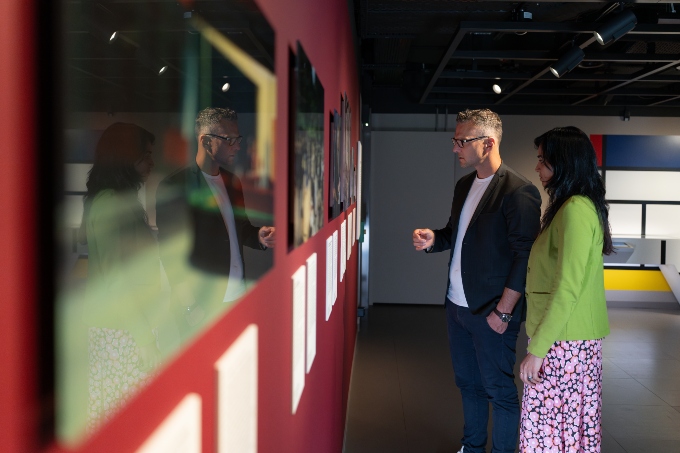
(Image: Swiss Finance Museum, Zurich)
Connecting Art and Finance
Art is more than aesthetics. It is an important generator of economic and business activity, moving immense sums of money around the world. It has both an intrinsic and material value regardless of whether it is an investment or part of a museum collection. Andrea Weidemann, Head of the Swiss Finance Museum, emphasizes: «Artworks are much more than objects to be admired. They are important components of global investment strategies.»
The Swiss Role
The exhibition looks at the role Switzerland plays in the international art world in some detail. It makes it clear that the country is a hub for art and finance, and it points out some parallels with the trading of securities on exchanges. «One notices the many links that show how Switzerland plays a key role in both the financial and the art markets,» Weidemann maintains.
(Image: Swiss Finance Museum, Zurich)
Securities and Digital Art
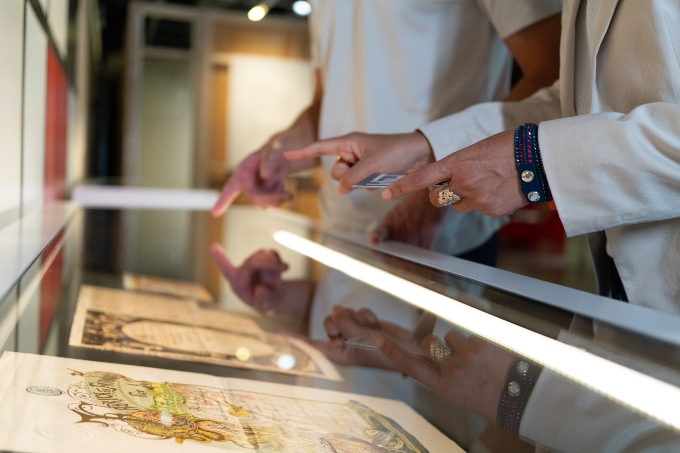
Historical securities and art imprinted on stock certificates are also part of the exhibition, offering a perspective on the long development of both markets. But the exhibition also takes a look at the positive and negative aspects of modern developments such as digitalization, and market tokenization.
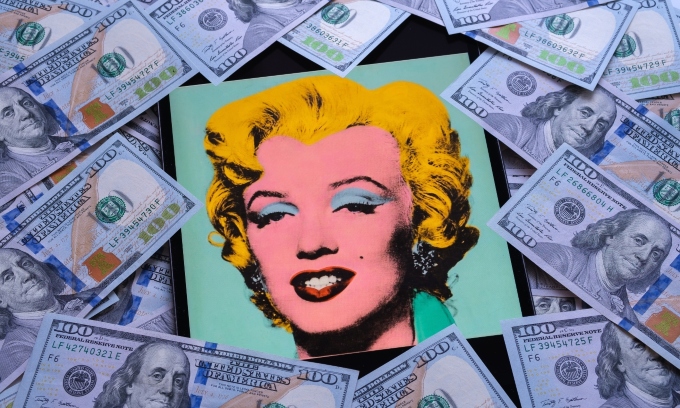
$195 million paid for Andy Warhol's «Shot Sage Blue Marilyn» (Image: Shutterstock)
A Modern Investment Option
The link between art and finance strikes a nerve given that artworks are increasingly being used as a form of alternative investment. According to the UBS & Art Basel Market Report, about 67 percent of those art collectors surveyed bought art to grow their wealth. Artwork can also serve as lending collateral, allowing the owners to free up capital without having to sell any parts of their collection. These kinds of financial mechanisms make art an important element of contemporary investment strategy.
A Collage of Perspectives
The exhibition is consciously portrayed as a collage without any kind of formal chronology, giving visitors the choice of what they want to see. Weidemann explains: «We want to highlight the parallels in terminology between art and the financial markets, such as the use of terms such as the primary and secondary markets - while also pointing out the differences at the same time, such as the rights and duties of corporations in comparison to artist rights.»
The Swiss Finance Museum opened its doors in 2017 in Zurich West under the trusteeship of a non-profit foundation that manages a collection of historical securities. The foundation was established on 31 October 2001 by SIX. Its objective is to create a premier collection of international and historical securities. Currently, the collection runs to about 10,000 pieces from the 16th century onwards, and in all spheres of markets and business. Some of the more notable examples in the collection are signed by renowned personalities such as Maria Theresia, Thomas A. Edison, and John D. Rockefeller.
The Finance Museum is located at the head office of SIX at the Hard Turm Park in Zurich. It presents the highlights from the foundation's collection and was created to show the importance of the city's financial center and its securities settlement activities. It has regularly held special exhibitions on finance-related themes since 2018.
The exhibition «kunst.macht.geld» (translated: art.power.money) starts on the 3oth of August 2024 (today) and runs until the summer of 2026. In parallel, the permanent exhibition will remain accessible to the public, the latter dealing with the significance of exchanges, the roots of the world economic system, and the history of the Swiss financial center. The museum is open from Monday to Friday between 10:00 AM and 7:00 PM. Guided tours are conducted every month (German only - although English ones are available on request). The current schedule is available at the following link.