
Innovative in the Cellar, Classic in the Glass: 5 Champagnes for the Christmas Table
With the first Sunday of Advent, not only the season of lights and gifts begins — almost as a side effect, so does champagne season. At no other time of year are so many bottles opened: at home, in companies, in restaurants. Not because everyone suddenly feels the urge to signal status, but because champagne fills a gap that neither still wine nor spirits can occupy quite as elegantly: it marries ritual and lightness, ceremony and playfulness.
Champagne and Christmas — at first it sounds like a postcard: a few glasses under the tree, a quick toast before moving on «to the proper wine». But anyone who reduces champagne to that moment underestimates two forces at once: the special dramaturgy of the holiday season — and the dynamism of Champagne itself.
An ambassador of transitions
Especially at year-end, when balances are drawn up, goals reset, and undertones matter more than grand gestures, champagne fits the picture surprisingly well. It marks transitions: from office to evening, from old year to new, from a formal occasion to a more personal conversation. And it can do far more than merely serve as an apéritif or a New Year’s Eve signal — used well, it can accompany an entire festive menu and, along the way, say something about the host’s style, mindset and expertise.
It gets truly interesting when you set the bottle aside in your mind for a moment and zoom into the region. Champagne today is the world’s most innovative wine region — and at the same time one of the strictest when it comes to origin, rules and trademark protection. Two poles collide here: on the one hand, a tight corset of regulations that safeguards the heritage of «Champagne». On the other hand, growers and houses who, under precisely that pressure, find new paths: working more sustainably, vinifying differently, experimenting with sites, grape varieties and lees ageing — and creating a stylistic breadth that goes far beyond the idea of «one» champagne.
More than apéritif and fireworks
In recent years, champagne has quietly evolved from a pure «celebration drink» into a culinary companion. There are restaurants where it is entirely normal for champagne to carry a menu — Blanc de Blancs with fish, rosé with red meat, Blanc de Noirs with truffle, or a mature Blanc de Blancs with a tangy, aged Comté. Champagne is universally deployable. There is hardly a cuisine that cannot be paired with the finest sparkling wine.
For the coming Christmas season, that means:
- For the apéritif: A fresh, fairly straight-lined Brut or a Blanc de Blancs (mostly Chardonnay) — it opens the evening without weighing it down.
- With the meal: More powerful cuvées with a higher Pinot Noir share pair beautifully with poultry, fish in sauce, veal — or vegetarian dishes built around mushrooms and root vegetables.
- With cheese & dessert: A more mature vintage champagne, an Extra Brut with more depth, or a structured rosé champagne can accompany cheese boards, terrines and even desserts — provided they are not overly sweet.
A red thread in the glass
If you integrate champagne in this way, Christmas becomes less a sequence of «apéro – wine – digestif» and more a red thread in the glass: a companion that can carry the entire evening.
And now for a few basics, so the glass (please don’t serve champagne in a flute!) delivers what the bottle promises.
Champagne: the world’s most innovative wine region — and guardian of a heritage
It becomes especially compelling when you shift your gaze from the bottle to the region. Champagne is one of the most regulated and, at the same time, most innovative wine regions in the world. On one side stands a strict framework that limits aspects such as permitted grape varieties, minimum time on lees, or harvest-start dates.
This corset protects the brand «Champagne» — and ensures that a bottle from Reims, Épernay, Aÿ, the Côte des Bar and from all 319 crus is not just any sparkling wine.
On the other side, that very corset forces innovation:
- Climate change: The region is responding with new cultivation methods, more biodiversity, earlier harvesting and cellar adjustments — so the style of «Champagne» is preserved even as temperatures rise. The recent approval of the new grape variety Chardonnay Rosé also points in this direction.
- Sustainability: Many houses and growers are working on CO₂ reductions, for instance via lighter bottles.
- Breaking up monocultures: Trees are being planted as sources of shade, and additional plants and shrubs are finding their way into vineyards to support biodiversity.
- AI and technology in the vineyard: Robots work tirelessly throughout the year in vineyard management, estimating yields per plot, monitoring ripeness — and on a few topics that are not quite ready to be discussed publicly.
Grape varieties
The classic champagne cuvée is built around the region’s big three grape varieties:
- Chardonnay — brings freshness, citrus, elegance
- Pinot Noir — structure, depth, red fruit
- Meunier (Pinot Meunier) — charm, approachability, character
Blanc de Blancs (white grapes only, not necessarily just Chardonnay) often feel fresher, more citrus-driven and more mineral. Blanc de Noirs (black grapes only) are more powerful, spicier and often recall red fruit — ideal for winter dishes.
In Champagne, there are six other permitted grape varieties: Arbane, Pinot Blanc, Pinot Gris, Petit Meslier, Chardonnay Rosé (approved roughly three months ago), and Voltis (a PIWI variety — fungus-resistant — currently in trial cultivation).
Styles & sweetness levels
Most bottles opened at Christmas are Brut — dry, but with some dosage, up to 12 g/l (sugar added after disgorgement) so the wine feels harmonious.
The main categories include:
- Brut Nature / Zero Dosage: very dry, taut — exciting with food, but not for every crowd.
- Extra Brut: low dosage up to 6 g/l, clear and precise.
- Brut: the most versatile category; perfect for mixed tables.
If you enjoy blue cheese, you can opt for a sweeter style (Sec, Demi-Sec). With desserts, it is often better not to aim for harmony but for contrast — for instance pairing sweet desserts with a Brut Nature featuring a high share of Chardonnay.
Serving
- Feel free to open the bottle 10–15 minutes before serving. It can wait in the fridge without a stopper. Aromas unfold and open up.
- Serving temperature: 8–10°C for apéritif champagnes, 10–12°C for more complex vintages. Too cold means: little aroma, mostly acidity.
- Let the champagne breathe. Better to top up with small pours than to have too much sitting in the glass.
- Glass: Fine, tulip-shaped white-wine glasses are ideal. They give aromas room, without losing the fizz. The classic narrow flute looks festive, but it is an «aroma prison».
As you can see, champagne is so much more. Perhaps Champagne’s greatest innovation lies in protecting its heritage by staying in motion. The region evolves in order to preserve its character — and in doing so, manages to deliver on the champagne promise every single day.
With the following five champagnes, you will hit demanding palates 100 percent. Enjoy gifting them — or enjoying them yourself:
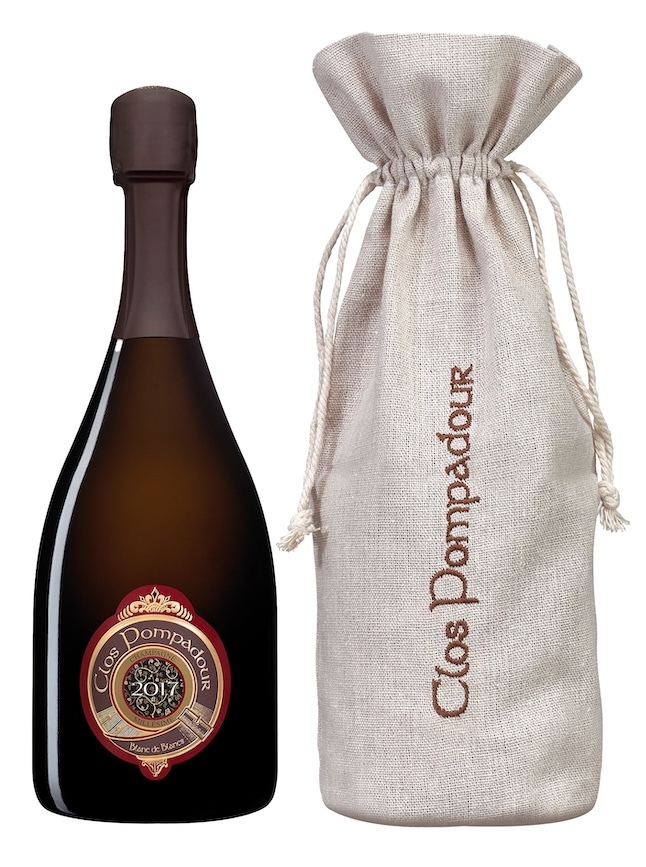
1. – Clos Pompadur 2017
(Image: Courtesy)
The grapes for the first vintage of the new champagne brand Clos Pompadur come from a 25-hectare clos in the heart of the city of Reims. It is pure Chardonnay and feels like a concentrated look at the terroir behind the Pommery château: chalky minerality, white flowers, pure lemon fruit, almonds, a very fine bead. On the palate, the 2017 combines tension and creaminess.
- Nose: Fine, rather cool aromatics: lemon zest, lime, green pear, white blossoms. Behind that, a hint of fresh brioche, chalky minerality and a very subtle nuttiness — more taut than opulent.
- Palate: Linear and precise. The acidity is lively but very well integrated; the mousse is silky-fine. Citrus, green apple and a touch of white peach, plus a chalky texture typical of limestone soils. With air, the wine gains creaminess without losing freshness.
- Aftertaste: Long, clean finish with lots of citrus, saline minerality and a hint of yeasty pastry. The impression remains fresh and cool — no heavy finale.
- Food pairing: Ideal with refined canapés, tartare (fish or veal), oysters, sashimi, aged hard cheese such as Comté, or light starters with citrus or herbal notes. Also excellent with poached fish, seafood or poultry in a light sauce — anywhere precision and freshness are called for.
Available from Flaschenpost for 144.95 Swiss francs.
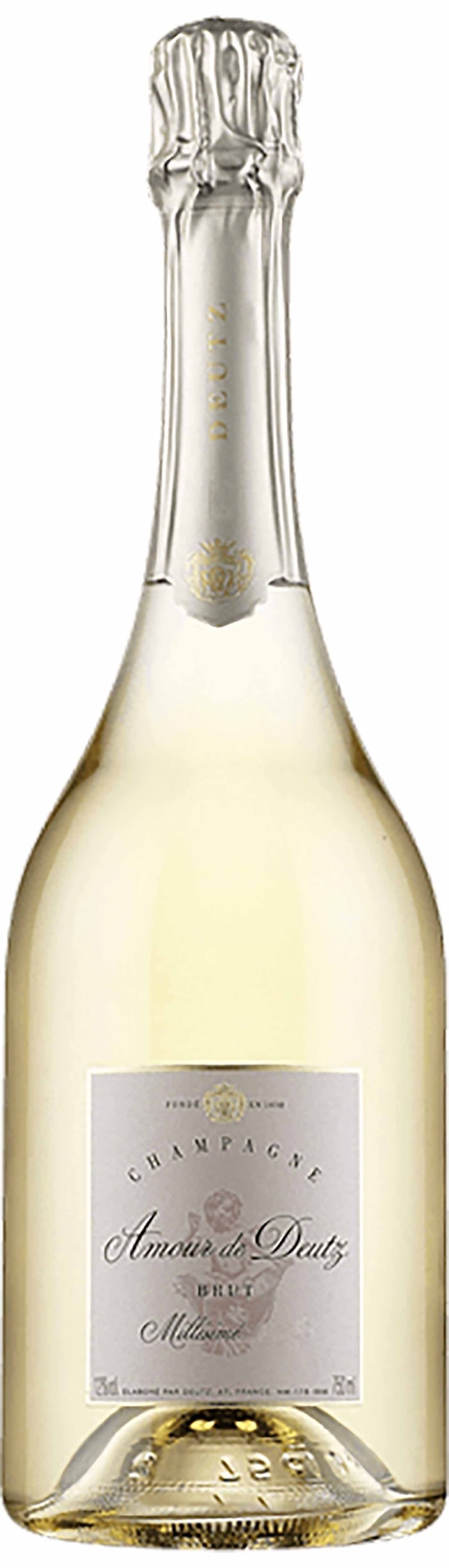
2. – Deutz, Amour de Deutz 2013
(Image: Courtesy)
Amour de Deutz 2013 is a Blanc de Blancs sourced mainly from Grand Cru sites of the Côte des Blancs (including Avize, Oger and Le Mesnil-sur-Oger) and reflects the cool, late-ripening 2013 vintage with plenty of tension. A champagne for lovers of clear, Chardonnay-driven styles with ageing potential.
- Nose: Classic Blanc de Blancs clarity: lemon, grapefruit, white peach, Williams pear. Floral notes (orange blossom, acacia) and fine yeasty pastry. With air, almond, hazelnut and a touch of chalk emerge — very focused.
- Palate: Taut, vertical, with the cool signature of 2013. The acidity is present, but crystalline and very fine; the mousse is notably creamy. Citrus, white stone fruit, a hint of exotic fruit (subtle mango), plus nutty and brioche-like components from lees ageing. Minerality draws a precise line across the palate.
- Aftertaste: Long and saline, with lemon zest, almonds and a hint of white chocolate. The wine finishes very clean and fresh, without weight — with ample potential for further bottle age.
- Food pairing: Ideal with noble fish (Dover sole, turbot, brill), scallops, lobster, as well as refined poultry dishes with a light, buttery sauce or truffle. Excellent for fine-structured haute cuisine where precision and texture are the focus — also as a champagne that can run across several courses.
Available from Casa del Vino for 159 Swiss francs.
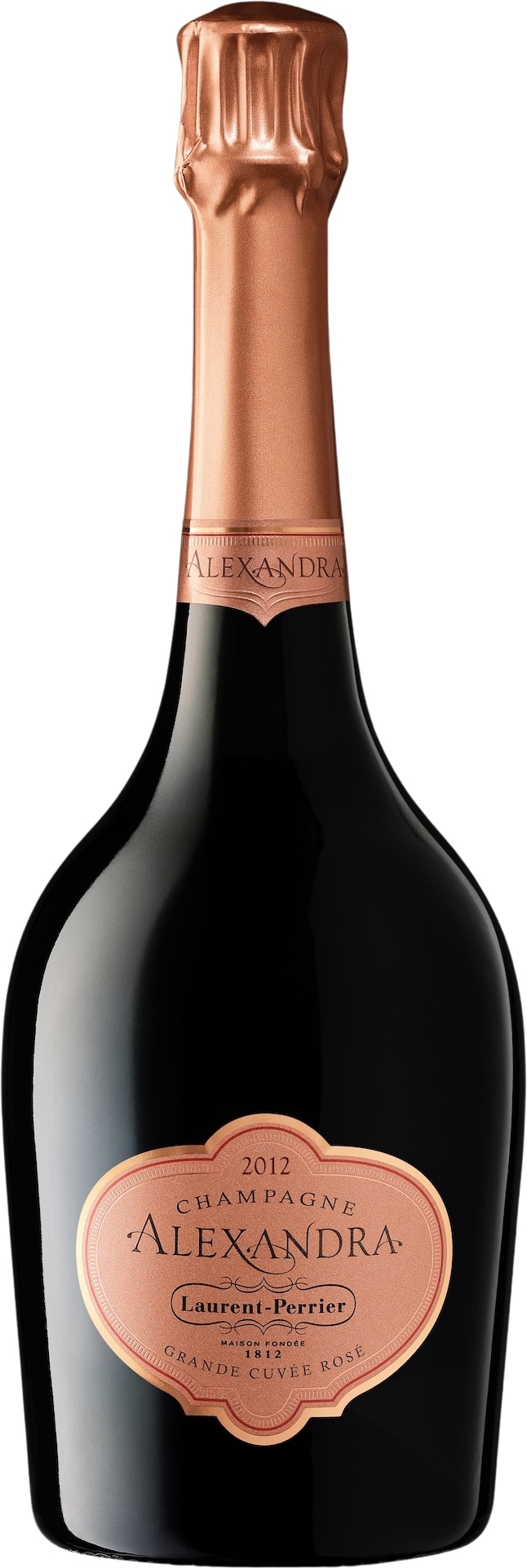
3. – Champagne Laurent-Perrier, Cuvée Alexandra Rosé 2012
(Image: Courtesy)
Cuvée Alexandra is one of Champagne’s most personal prestige cuvées. It was created in 1987 by Bernard de Nonancourt for the wedding of his daughter Alexandra — as a vinous love letter, and as a rosé at Grand Cru level.
Alexandra Rosé is produced only in vintages in which Pinot Noir and Chardonnay from selected Grands Crus reach perfect ripeness at the same time — accordingly, releases are rare. 2012 is only the tenth vintage since its launch.
The blend: 80 percent Pinot Noir, 20 percent Chardonnay, exclusively from Grand Cru sites — Pinot Noir from the Montagne de Reims (Ambonnay, Bouzy, Mailly, Verzenay), Chardonnay from the Côte des Blancs (Avize, Cramant, Le Mesnil-sur-Oger). The grapes are macerated together to combine the Pinot’s fruit with the Chardonnay’s tension in a rosé of great depth, followed by roughly ten years on lees.
- Nose: In the glass, a vivid color with a blood-orange hue and a very fine, persistent bead. The nose opens with a complex, ripe red-fruit bouquet: wild strawberries, raspberries, redcurrant jam, plus sour cherry and red currant. With a bit of air, candied citrus notes (especially orange, blood orange, kumquat) appear, along with hints of orange peel, fine baking spices, slightly smoky undertones and a trace of dried flowers.
- Palate: Rich and warm, yet precise. Juicy red fruits (strawberry preserve, raspberry, red currant), blood orange, candied citrus and a lightly bitter citrus zest, underpinned by fine brioche, almond tones and chalky minerality. The mousse is very fine and creamy; structure medium to full, with a clear but silkily integrated acidity. The phenolic grip — the result of maceration — lends a subtle, almost tannin-like texture that makes it highly food-friendly.
- Aftertaste: Long, warm and layered. Red fruits and preserves pivot into a bitter-orange note, accompanied by saline minerality and a delicate hint of spices. The texture stays soft and dry; the finish is elegant, with a lingering echo of red berries and candied orange — a classic «signature» exit for this cuvée.
- Food pairing: Alexandra Rosé 2012 is a culinary rosé champagne — less terrace, more fine dining. Ideal with: noble fish & seafood, ceviche or tartare of sea bass, turbot or salmon; scallops, lobster; ideally with touches of citrus, pomegranate, berries or caviar. Also excellent with noble meats such as duck breast or pigeon, pink-roasted lamb, veal saddle — with reduced sauces and berry or citrus accents. The combination of Pinot structure and rosé aromatics carries far. Festive starters such as foie gras (not paired too sweetly), beet carpaccio with berries, delicate vegetable ravioli with herbs and a light jus — wherever red fruit and bitter orange find an aromatic foothold.
Available from von Salis Wein for 365 Swiss francs.
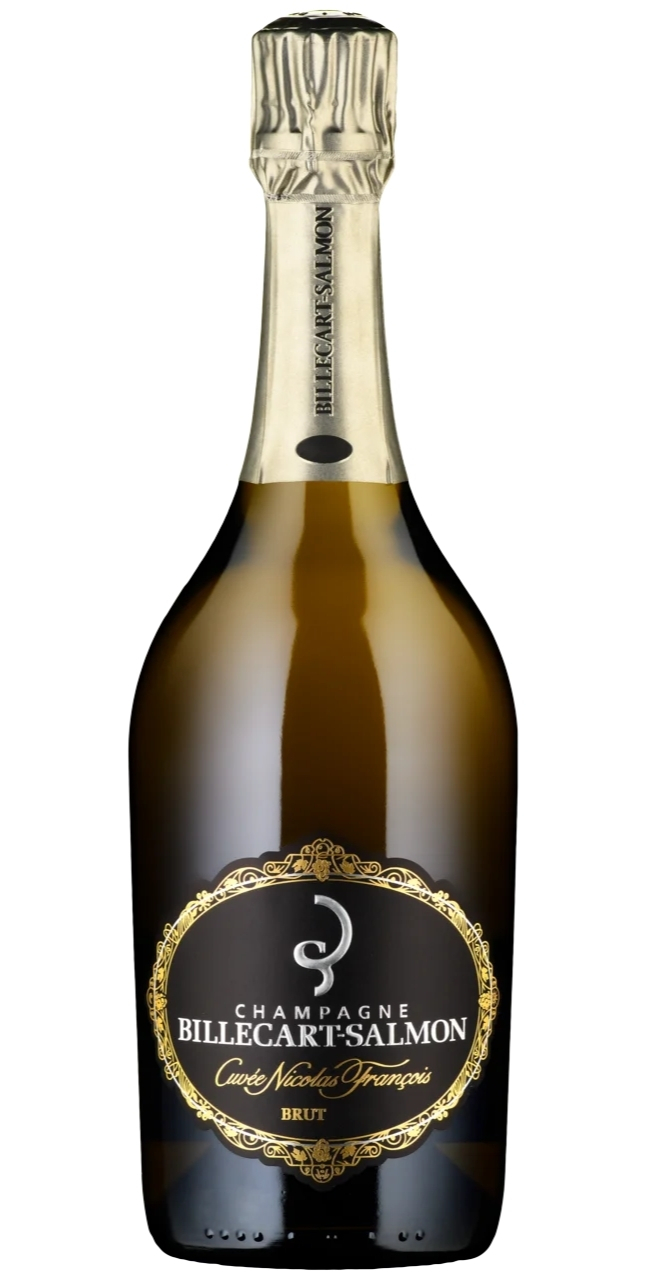
4. – Champagne Billecart-Salmon, Cuvée Nicolas François 2012, Extra Brut
(Image: Courtesy)
Cuvée Nicolas François was created in 1964 — as a tribute to the house’s founder, Nicolas François Billecart. It unites top sites from the Montagne de Reims (Pinot Noir) and the Côte des Blancs (Chardonnay); around ten percent is aged in oak, and dosage is deliberately kept low. The result is a champagne that combines the house’s historical foundation with a very contemporary, precise style.
- Nose: Golden-yellow color. On the nose, fine malt and brioche notes at first, then white peach, nectarine, mirabelle and a touch of pear. With air: citrus (mandarin, clementine zest), a hint of almond, and floral accents; in the background, a trace of warm spice.
- Palate: Taut yet generous: juicy stone and orchard fruit, citrus, warm madeleines, plus a fine, creamy mousse. The low dosage emphasizes chalky, cool tension, while the oak-aged portions add depth and melt. A very precise balance of density and freshness.
- Aftertaste: Long, layered finish with citrus zest, toasted nuts, fine vanilla, and subtle notes of tobacco/cigar box, plus sweet spices such as cinnamon and white pepper. The impression remains dry, noble and persistent.
- Food pairing: An ideal champagne for Christmas cooking.
Fish & shellfish: Dover sole or turbot in lemon butter, scallops, lobster.
Meat & poultry: veal chop or veal loin; poultry (for instance guinea fowl, capon) with mushrooms and jus — where Pinot structure and Chardonnay freshness show their strengths.
Vegetarian: dishes with mushrooms, celery root, parsnip or truffle, ideally with buttery or lightly nutty sauces.
Available from Smith & Smith for 165 Swiss francs.
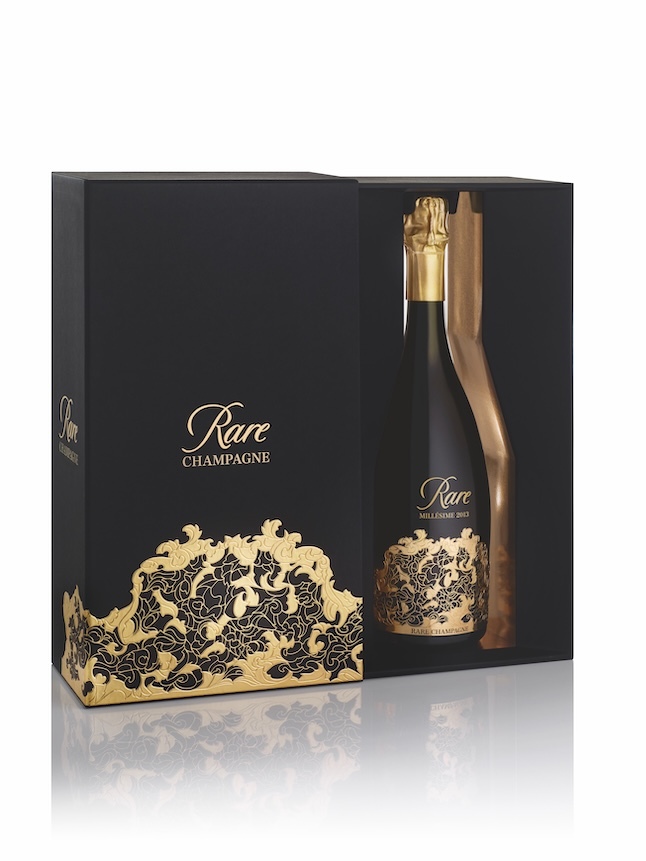
5. – Rare Champagne, Millésime 2013, Brut
(Image: Courtesy)
Rare is the former prestige cuvée of Piper-Heidsieck and has been an independent brand for several years now — with a clear philosophy: a vintage is declared only in truly exceptional years, altogether only about a dozen since the mid-1970s. The cuvée revives the historical idea of creating «a queen among cuvées» — inspired by early prestige bottlings made for the French court, and by the famous jewel-studded bottle designed in the 19th century. Millésime 2013 follows the classic Rare blueprint: roughly 70 percent Chardonnay and 30 percent Pinot Noir from a selection of Grand and Premier Cru sites, with very long lees ageing. Stylistically, the house speaks of «a hint of tropical exotica in a chalk oasis» — a cool-vintage signature carried by Rare’s trademark minerality.
- Nose: Initially very fine and cool, with white flowers, a hint of black tea, citrus (lime, grapefruit), kiwi and kumquat. With air: linden blossom, green tea, yellow plums, then chestnut honey, sweet spices, vanilla, marzipan and a very light, noble smokiness.
- Palate: Velvety yet very lively. Citrus, kumquat, blood orange and kiwi, plus yellow stone fruit, a touch of mango and pineapple, underpinned by brioche, toast, toasted nuts and a hint of coconut. The mousse is creamy-fine; acidity crystalline; and a pronounced chalky minerality carries the wine. The aromatic profile is dense but never heavy — more like a taut, precise arc across the entire palate.
- Aftertaste: Long, layered and mineral: citrus zest, blood orange and kiwi linger, along with salty, chalky notes, a touch of honey and sweet spices. The finish is dry, sharply defined, and stretches out with fine spice and a lightly smoky touch — a finale driven more by freshness and structure than by sheer fullness.
- Food pairing: A classic fine-dining champagne, perfect for Christmas or holiday cooking: scallops, fish tartare, ceviche, grilled lobster, braised veal, veal loin, light poultry with creamy or gently spiced sauces. Also great with lentil dishes (for instance with mint or yogurt), vegetable variations featuring celery root, parsnip or Jerusalem artichoke, and a delicately lemony risotto with aged hard cheese.
Available from Champagne.Zurich for 210 Swiss francs.

Peter Jauch is…
… a spirits sommelier with a soft spot for high-end cocktails — and he loves pairing them with great food.
… an author of coffee-table books on gin & champagne.
… a seasoned spirits and champagne tasting host.
… and, together with friends, an organizer of an experiential festival.