
AI CEO, Swiftie Boom, Gold Yuan: Saxo’s Bold Predictions for 2026
9. Switzerland’s Green Revolution
Switzerland launches an unprecedented energy offensive: by 2050, 30 billion francs are to be invested in solar, wind, and new nuclear technologies — an investment package rivaling Lindt & Sprüngli’s market capitalization. The goal is nothing less than leadership in the next generation of climate-neutral energy.
A research report calls for a radical expansion of the energy strategy: solar by a factor of four, wind by a factor of eighty — and by 2050, 60 percent of electricity should come from renewable sources. Winter remains a vulnerability: hydropower declines, imports rise. To close the seasonal gap, innovations in wind and nuclear technology move into focus.
The energy policy push aims to secure the net-zero target for 2050. It offers opportunities for private investors and boosts Swiss stocks such as ABB, Naturenergie Holding, Edisun Power, or BKW.
10. Switzerland Takes a Radical Step: Sovereignty Before EU Integration
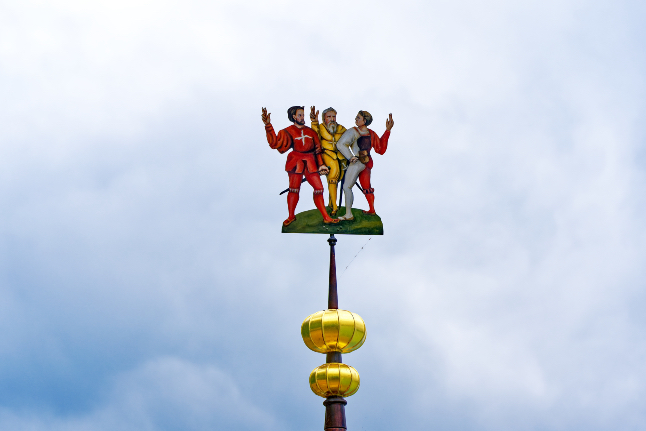
Switzerland isolates itself. Sovereignty first. (Image: Shutterstock)
Switzerland sends a politically unexpected and clear signal: two-thirds of voters reject the framework agreements with the EU. Political scientists speak of a «second founding moment». Bern breaks off all talks with Brussels and proclaims the doctrine «sovereignty first».
Financial markets react immediately: the franc shoots upward. International funds interpret the decision as a commitment to radical independence and shift capital toward Zurich, Geneva, and Zug. The Swiss National Bank effectively positions itself as a neutral global liquidity anchor. In a world of crumbling currency regimes, the franc becomes the ultimate safe haven.
Domestically, Bern strengthens gold reserves, tightens rules on data exchange with foreign authorities, and promotes fintech custody and safe-storage solutions. Private capital inflows rise sharply, real-estate prices and bank profits hit record levels.
However, the new isolation has its price: financial-services providers boom, exporters fear higher tariffs, universities lose access to EU research programs, and cross-border workers face new visa hurdles. Urban-rural divides deepen.
By 2030, Switzerland is regarded internationally as the «last unaligned island» of the fragmented global economy: a small, disciplined republic that prioritizes independence over integration - turning neutrality, stability, and wealth protection into its most valuable exports.
- << Back
- Page 5 of 5