
Max Cotting: «The Next Few Years Will Be Crucial for the Industry»
Max Cotting, the consolidation among independent asset managers is in full swing. According to a recent survey, one-third of companies will soon disappear. Why is this happening now?
Compared to the number of asset managers ten years ago and the firms currently approved by the Swiss Financial Market Supervisory Authority (Finma), the industry has already halved in size. The sword hanging over everything is regulation.
In recent years, regulatory authorities have continually tightened their requirements. Compliance and risk management tasks such as internal controls, risk analysis, reporting, service provider monitoring, and adherence to complex regulatory frameworks consume enormous amounts of time and money.
«Many asset managers chose this profession out of passion»
In addition, there are administrative tasks such as implementing portfolio management systems (PMS) and investing in IT security.
What impact is this having on the industry?
The focus of asset managers is shifting. Where client service used to be the central focus, regulatory requirements and administrative duties now dominate. The time available for the core task, of maintaining client relationships, is rapidly diminishing. This poses a significant challenge for many firms.
How are the industry players responding to these challenges?
The equation is simple: The more resources flow into administration and compliance, the less time is available for the actual business. When customer satisfaction suffers, so does economic success. Beyond the purely economical aspects, there's something else: the «fun factor.»
What do you mean by that?
Many asset managers chose this profession out of passion – because they enjoy developing tailored solutions for their clients. But ever stricter regulations and increasing administrative burdens leave little room for creativity. The job becomes a duty, and the profession loses its appeal.
«The solution is clear»
Smaller companies, in particular, which cannot afford extensive infrastructure, are under pressure. Larger providers, on the other hand, find it easier because they can use standardized solutions and work more efficiently due to their size.
But is that enough?
Through mergers, acquisitions, or partnerships, synergies emerge that smaller independent players often cannot achieve. Those who merge can share costs and optimize processes, which is crucial in the increasingly complex world of financial services.
It's obvious that compliance, IT security, and data protection aren't exactly exciting topics for client advisors. So, what can be done to address this?
The solution is clear: community. Independent asset managers who integrate into networks or larger structures can spread the administrative tasks across several shoulders. This creates space for what truly matters: the clients.
In other words: Cooperation, mergers, or joining larger structures allow a refocus on core business. In short, the coming years will be decisive for the asset management industry.
What does this development mean for clients?
More stable structures and better compliance with regulatory requirements. However, those who value the personal attention of an independent advisor will find it increasingly rare in the future – largely as a result of consolidation.
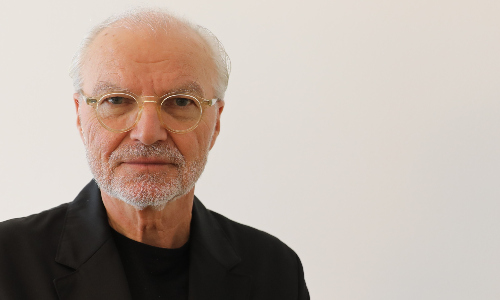
Nearly 25 years ago, then a Credit Suisse employee Max Cotting (pictured above) founded his first asset management company. This laid the foundation for today's Aquila Group, which has become a major player in the Swiss financial industry. Cotting now serves as chairman of the board. The company currently has around 90 partner firms managing a total of 22 billion francs in client assets.